
SecureFinanceCare Blog

Insights, tips, and guides on banking, finance, and smart money management.

Blog Post 1

Understanding International Money Transfers

Learn how international money transfers work, the best options to send money globally, and tips to save on fees. We break down the different transfer methods, including banks, online platforms, and remittance services, highlighting the speed, cost, and security of each option. Discover how exchange rates impact your transfers and the steps you can take to minimize hidden fees. Whether sending money to family abroad or paying for international services, this guide provides actionable insights to make your transfers faster, safer, and more cost-effective. Additionally, we cover tips for tracking your transfers, understanding regulatory requirements, and ensuring your funds reach the recipient securely.

When choosing a transfer method, consider both the speed and reliability. Traditional banks often offer a secure option but may have higher fees and longer processing times, whereas online platforms like Wise or PayPal can provide faster transfers with competitive rates. Remittance services, commonly used by expatriates, combine convenience with widespread availability, making them ideal for sending money to regions with limited banking infrastructure.

Understanding currency exchange rates is crucial. Even small differences in the exchange rate can affect the amount your recipient receives. Look for providers that offer transparent rates and avoid services that add hidden markups. Planning your transfers during favorable market conditions can also maximize value.

Security is another key consideration. Ensure that your provider complies with international regulations, such as anti-money laundering (AML) policies and know-your-customer (KYC) standards. Always verify the recipient’s details carefully to prevent errors, and keep a record of transaction receipts for tracking purposes.
Blog Post 2

Top Tips for Smart Credit Management

Building a strong credit score is essential for financial health, as it influences your ability to secure loans, credit cards, mortgages, and even rental agreements. A high credit score can save you thousands in interest rates over time, while a low score may limit your financial opportunities. Understanding the factors that affect your credit—such as payment history, credit utilization, length of credit history, types of credit, and recent inquiries—can help you take actionable steps toward improvement.

Start by ensuring that you pay all your bills on time, every time. Payment history accounts for the largest portion of your credit score, and even a single missed payment can have a significant impact. Next, focus on keeping your credit utilization ratio low—ideally below 30% of your available credit—to show lenders that you manage debt responsibly. Avoid opening multiple new credit accounts at once, as frequent inquiries can temporarily lower your score.

Monitoring your credit report regularly is crucial. Check for errors, such as incorrect account balances or accounts you don’t recognize, and dispute inaccuracies promptly. Using credit-building tools, like secured credit cards or small installment loans, can also help establish positive credit history for those starting out or recovering from financial challenges. Additionally, consider setting up reminders or automatic payments to maintain consistency and avoid late payments.

Blog Post 3

Safe Online Banking Practices

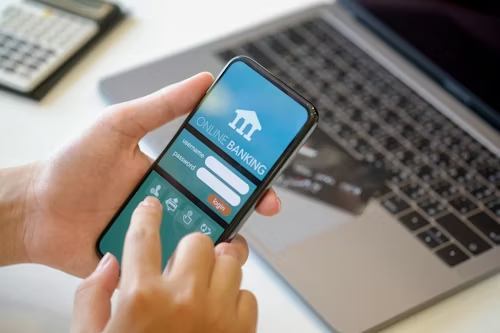
Protect yourself from fraud and manage your online banking safely using these best practices. Online banking offers convenience and instant access to your finances, but it also comes with potential risks, including phishing scams, malware attacks, and unauthorized access. Understanding these risks and taking proactive measures can help you safeguard your accounts and personal information.

Start by creating strong, unique passwords for each of your banking accounts and avoid using the same password across multiple platforms. Enable two-factor authentication (2FA) whenever possible, which adds an extra layer of security by requiring a code sent to your phone or email in addition to your password. Regularly monitor your account activity for unusual transactions and report any suspicious activity immediately to your bank.

Keep your devices secure by installing the latest updates and antivirus software, and avoid using public Wi-Fi networks for financial transactions, as they are more vulnerable to interception. Be cautious of emails, texts, or phone calls asking for personal information or banking credentials—banks will never request sensitive information through these channels. Additionally, set up alerts for deposits, withdrawals, and payments to stay informed in real time and detect fraudulent activity early.

Leave a Comment

We’d love to hear your thoughts on this article. Share your questions, experiences, or insights below.